

PRODUCTS
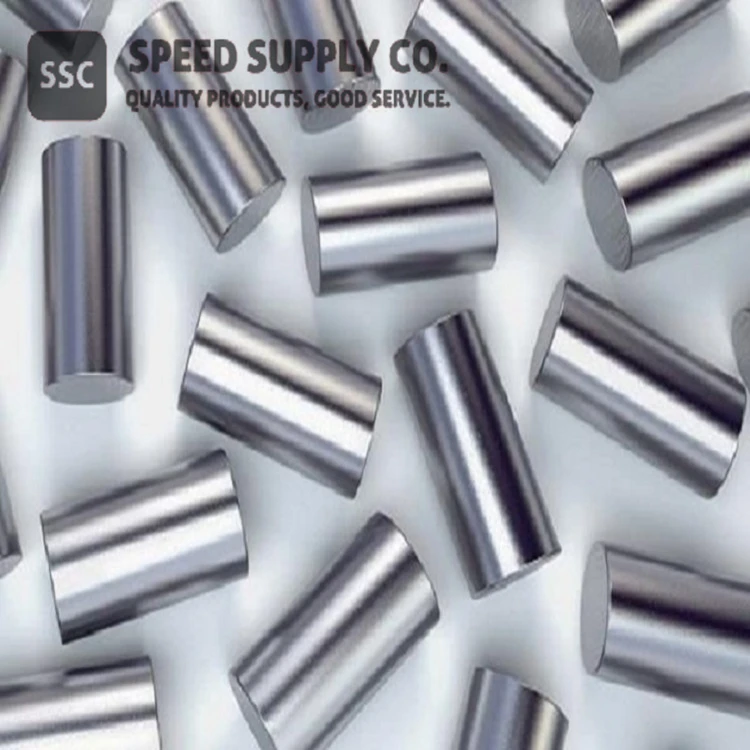
Molybdenum Alloys
Molybdenum alloys are a family of materials made primarily of molybdenum and other elements such as titanium, tungsten, niobium, and rhenium. These alloys exhibit excellent mechanical properties, high-temperature strength, good corrosion resistance, and good weldability.
Features
Molybdenum alloys are made from molybdenum and other metals like titanium, tungsten, niobium, and rhenium. These metals are very strong, can withstand high temperatures, resist corrosion, and can be joined together easily. Molybdenum alloys are used in different industries like aerospace, defense, electronics, and energy.
Features:
High strength and stiffness at elevated temperatures
Good corrosion resistance
High thermal conductivity
Low coefficient of thermal expansion
Good weldability
Excellent creep resistance
Good electrical conductivity
High modulus of elasticity
Grades:
There are many types of molybdenum alloys, each with its own special qualities and uses. Some types of molybdenum alloy are:
TZM (titanium-zirconium-molybdenum) alloy: TZM is a high-strength molybdenum alloy that has small amounts of titanium and zirconium. This material is good at keeping things warm and working well. It's used for things like rocket nozzles, furnace parts, and electrical connections.
Molybdenum-copper (MoCu) alloy: It's a kind of metal called Molybdenum-copper (MoCu) that combines copper and molybdenum, which are both good at transferring heat. It is used for heat sinks, electronic packaging, and power semiconductors.
Molybdenum-tungsten (MoW) alloy: It is a type of metal that combines the strength and ductility of molybdenum with the stability of tungsten at high temperatures. It is used in things like rocket nozzles, furnace components, and electrical contacts.
Molybdenum-rhenium (MoRe) alloy: This is a kind of metal that combines the strength and flexibility of molybdenum with the stability of rhenium at high temperatures. It is used in aerospace parts, furnace parts, and electrical connections.
Forms:
Molybdenum alloys come in many different types to meet the needs of different applications. The most common kinds of molybdenum alloys are:
Sheet and Plate: Molybdenum alloys are available in sheets and plates. They come in different thicknesses, from 0.0254 mm to 152.4 mm (0.001 inch to 6 inches)
Wire: Molybdenum alloys can be made into wire with diameters from 0.0254 mm to 4.75 mm (0.001 inch to 0.187 inch)
Rod and Bar: Molybdenum alloys come in rod and bar forms, with sizes ranging from 1.57 mm to 101.6 mm (0.062 inches to 4 inches)
Tubing: Molybdenum alloys are available as tubing with outer diameters ranging from 3.175 mm to 101.6 mm (0.125 inches to 4 inches)
Applications & Related Industries:
Molybdenum alloys are used in a lot of different applications and industries.
Aerospace and Defense: Molybdenum alloys are used in rocket nozzles, turbine blades, and other high-temperature parts for aerospace and defense applications.
Energy: Molybdenum alloy is used in nuclear reactors, solar cells, and other energy-related applications.
Electronics: Molybdenum alloys are used in electronics like packaging and power semiconductors.
Furnaces: Molybdenum alloys are used for things like heating elements and insulation in furnaces.
Medical: Molybdenum alloys are used in medical implants and equipment because they can work with living things and resist corrosion.
Health & Safety Information:
Molybdenum alloys are usually safe to work with and use. But exposure to molybdenum dust or fumes can be harmful and cause irritation to the eyes, skin, and respiratory system. Therefore, protective equipment should be worn when handling or processing molybdenum alloys.
Our Advantages:
We are a company that makes high-quality molybdenum alloys. We are very good at what we do and what we offer to our customers. Here are a few of our advantages:
Experience and expertise: With years of experience in the industry, we have developed the expertise to provide solutions that meet the unique needs of our customers.
State-of-the-art facilities: We have invested in state-of the-art facilities and equipment to make sure our products are of the highest quality and meet the strictest industry standards.
Quality control: We have a strict process to make sure that every product we make is good and reliable.
Wide range of products: We offer a wide range of molybdenum alloys in different forms and grades to meet the needs for different applications.
Competitive pricing: We have good prices without sacrificing the quality of our products or services.
On-time delivery: We make sure our products are delivered on time every time. We know it's important to get them to you on time.
Excellent customer service: Our customer service team is always available to answer any questions and help with the ordering process.
FAQs:
Q: What is the melting point of molybdenum alloys?
A: Molybdenum alloys can be used in very hot places because they have a very high melting point of around 2,620°C (4,748°F)
Q: What common grades of molybdenum alloys are used?
A: The most common types of molybdenum alloy are TZM and MHC.
Q: What is the difference between TZM and MHC molybdenum alloys?
A: TZM molybdenum alloys contain titanium and zirconium, while MHC molybdenum alloys contain hafnium and carbon. TZM alloys are known for their high strength and toughness at high temperatures, while MHC alloys are known for their excellent corrosion resistance and thermal stability.
Q: What are some common applications for molybdenum alloys?
A: Molybdenum alloys are commonly used in the aerospace, defense, and semiconductor industries for applications such as rocket nozzles, missile components, furnace components, and electrical contacts.
Q: Can molybdenum alloys be machined?
A: Molybdenum alloys are difficult to machine due to their high hardness and brittleness, but they can be machined using specialized equipment and techniques.
Q: Are molybdenum alloys resistant to corrosion?
A: Molybdenum alloys are generally resistant to corrosion, especially in non-oxidizing environments. However, they may be susceptible to corrosion in certain acidic environments.
Q: Can molybdenum alloys be welded?
A: Molybdenum alloys can be welded using specialized welding techniques, such as electron beam welding or laser welding.
Q: What is the typical lead time for molybdenum alloy products?
A: Lead times for molybdenum alloy products can vary depending on the specific product and quantity ordered. However, most manufacturers can provide lead times ranging from a few days to several weeks.
Hot Tags: molybdenum alloys, China, suppliers, buy, for sale, made in China
You Might Also Like


Send Inquiry
