

PRODUCTS
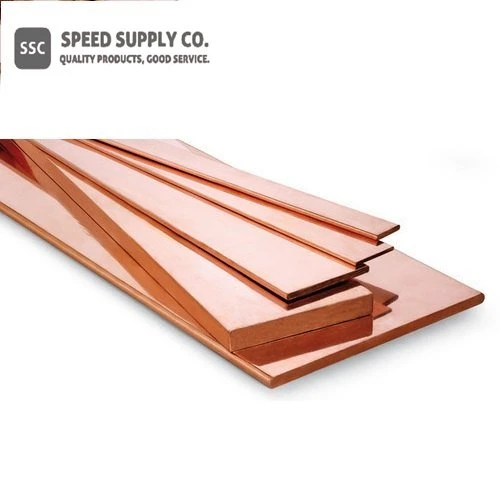

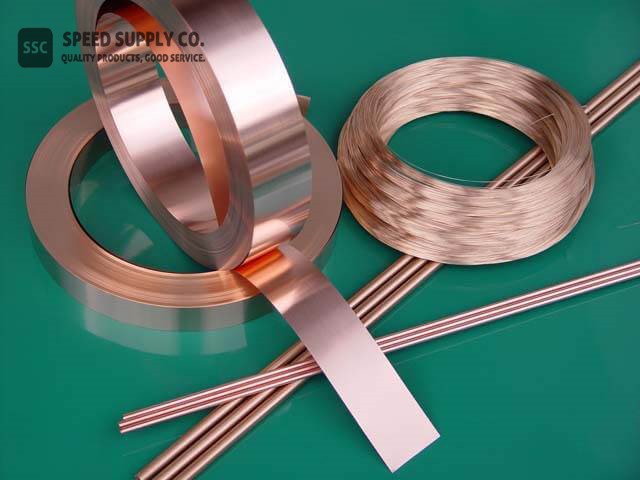
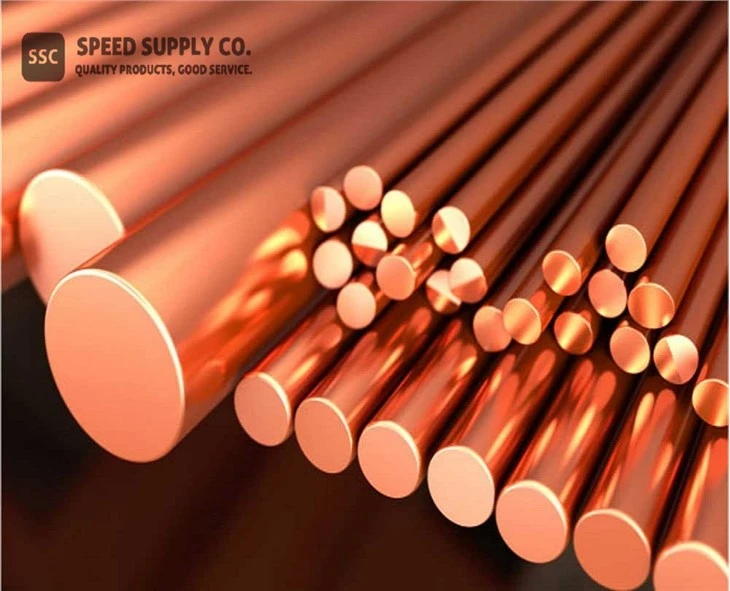
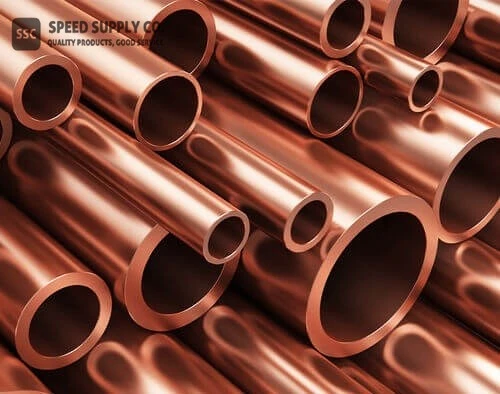

Beryllium Alloys
Beryllium alloys are alloys that contain beryllium as the primary component, along with one or more other metals. Beryllium is a rare and expensive metal with unique properties such as high strength, low density, good thermal and electrical conductivity, and excellent neutron moderation capabilities.
Features
Beryllium Alloys
Beryllium alloys are alloys that contain beryllium as the primary component, along with one or more other metals. Beryllium is a rare and expensive metal with unique properties such as high strength, low density, good thermal and electrical conductivity, and excellent neutron moderation capabilities.
Beryllium alloys are commonly used in a variety of industries including aerospace, defense, electronics, and nuclear power generation. These alloys can be classified into two major categories: copper beryllium alloys and nickel beryllium alloys.
Copper beryllium alloys, also known as beryllium copper or BeCu, are the most commonly used beryllium alloys. These alloys typically contain 0.5% to 3% beryllium, with the remainder consisting of copper and small amounts of other metals such as cobalt or nickel. Copper beryllium alloys have high strength, good corrosion resistance, and excellent electrical and thermal conductivity. They are used in a wide range of applications including electrical connectors, switches, springs, and electronic components.
Nickel beryllium alloys, also known as beryllium nickel or BeNi, are used in high-temperature and corrosive environments. These alloys typically contain 1% to 3% beryllium, with the remainder consisting of nickel and small amounts of other metals such as cobalt or iron. Nickel beryllium alloys have high strength, good corrosion resistance, and excellent thermal stability. They are used in applications such as jet engine components, rocket nozzles, and furnace parts.
It is important to note that beryllium is a toxic metal and exposure to beryllium dust or fumes can cause a serious lung disease known as berylliosis. Proper safety precautions must be taken when handling and machining beryllium alloys.
There are several grades of copper beryllium alloys and nickel beryllium alloys, each with its own unique composition and properties.
Copper beryllium alloys are typically classified based on their beryllium content, with the most common grades being:
● C17200 (Alloy 25): Contains approximately 1.8% to 2.0% beryllium and is the most widely used copper beryllium alloy. It has high strength, good electrical conductivity, and good thermal conductivity.
● C17510 (Alloy M25): Contains approximately 1.8% to 2.0% beryllium and 0.5% cobalt. It has higher strength and better fatigue resistance than C17200.
● C17500 (Alloy 10): Contains approximately 1.8% to 2.0% beryllium and 0.6% cobalt. It has higher strength and hardness than C17200, and is often used in high-wear applications.
Nickel beryllium alloys are also classified based on their beryllium content, with the most common grades being:
● C17510 (Alloy 360): Contains approximately 1.4% to 1.7% beryllium and 0.2% to 0.6% nickel. It has high strength, good corrosion resistance, and good thermal stability.
● C17500 (Alloy 3): Contains approximately 1.9% to 2.3% beryllium and 0.2% to 0.5% nickel. It has high strength, good corrosion resistance, and excellent thermal stability.
● C17530 (Alloy 330): Contains approximately 3.0% to 3.3% beryllium and 0.2% to 0.6% nickel. It has the highest strength and hardness of all the nickel beryllium alloys, and is often used in high-stress applications such as rocket nozzles and turbine blades.
Here are some commonly used forms of copper beryllium alloys and nickel beryllium alloys, along with their specifications:
Bar and Rod:
● Copper Beryllium Alloy C17200, Round Rod: Diameter range from 0.125 inches to 4 inches, with a minimum tensile strength of 125 ksi.
● Nickel Beryllium Alloy C17510, Round Bar: Diameter range from 0.25 inches to 8 inches, with a minimum tensile strength of 140 ksi.
Strip and Sheet:
● Copper Beryllium Alloy C17200, Strip: Thickness range from 0.002 inches to 0.125 inches, with a minimum tensile strength of 125 ksi.
● Nickel Beryllium Alloy C17510, Sheet: Thickness range from 0.010 inches to 0.125 inches, with a minimum tensile strength of 140 ksi.
Wire:
● Copper Beryllium Alloy C17510, Wire: Diameter range from 0.005 inches to 0.250 inches, with a minimum tensile strength of 150 ksi.
● Nickel Beryllium Alloy C17500, Wire: Diameter range from 0.005 inches to 0.250 inches, with a minimum tensile strength of 160 ksi.
Tube and Pipe:
● Copper Beryllium Alloy C17500, Seamless Tube: Outer diameter range from 0.125 inches to 1.75 inches, with a minimum tensile strength of 160 ksi.
● Nickel Beryllium Alloy C17510, Seamless Pipe: Outer diameter range from 0.375 inches to 4 inches, with a minimum tensile strength of 140 ksi.
Forgings:
● Copper Beryllium Alloy C17200, Forgings: Available in various shapes and sizes, with a minimum tensile strength of 125 ksi.
● Nickel Beryllium Alloy C17530, Forgings: Available in various shapes and sizes, with a minimum tensile strength of 180 ksi.
Castings:
● Copper Beryllium Alloy C17200, Castings: Available in various shapes and sizes, with a minimum tensile strength of 110 ksi.
● Nickel Beryllium Alloy C17510, Castings: Available in various shapes and sizes, with a minimum tensile strength of 140 ksi.
Copper beryllium alloys and nickel beryllium alloys offer several desirable properties that make them suitable for a wide range of applications. Some of the key properties of these alloys are:
Properties of Copper Beryllium Alloys:
● High Strength: Copper beryllium alloys exhibit high tensile strength and yield strength, making them ideal for use in applications requiring high strength and stiffness.
● High Conductivity: These alloys have excellent electrical conductivity, making them suitable for use in electrical and electronic components.
● Wear Resistance: Copper beryllium alloys have good wear resistance, making them ideal for use in applications involving sliding or abrasive wear.
● Corrosion Resistance: These alloys have good resistance to corrosion in various environments, making them suitable for use in marine and corrosive environments.
● Low Coefficient of Thermal Expansion: Copper beryllium alloys have a low coefficient of thermal expansion, making them suitable for use in applications where dimensional stability is critical over a wide temperature range.
Properties of Nickel Beryllium Alloys:
● High Strength: Nickel beryllium alloys exhibit high strength and stiffness, making them ideal for use in high-stress applications.
● High Fatigue Resistance: These alloys have excellent fatigue resistance, making them suitable for use in applications involving cyclic loading.
● Low Coefficient of Thermal Expansion: Nickel beryllium alloys have a low coefficient of thermal expansion, making them suitable for use in applications where dimensional stability is critical over a wide temperature range.
● Corrosion Resistance: These alloys have good resistance to corrosion in various environments, making them suitable for use in marine and corrosive environments.
● Non-Magnetic: Nickel beryllium alloys are non-magnetic, making them suitable for use in magnetic environments where magnetic interference must be minimized.
Overall, copper beryllium alloys and nickel beryllium alloys offer a combination of high strength, stiffness, and excellent properties, making them ideal for use in a wide range of demanding applications.
Beryllium alloys are used in various industries, including:
● Aerospace Industry: Beryllium alloys are used in the aerospace industry to make lightweight and high-strength components such as landing gears, rocket parts, and satellite components.
● Defense Industry: Beryllium alloys are used in the defense industry for their high strength-to-weight ratio, radiation resistance, and low neutron absorption. They are used to make various components, including missile and rocket parts, nuclear reactors, and submarines.
● Electronics Industry: Beryllium alloys are used in the electronics industry to make connectors, switches, and other components that require high conductivity and good mechanical strength. They are also used in computer hard disk drives and other high-tech devices.
● Medical Industry: Beryllium alloys are used in the medical industry to make dental implants, orthodontic appliances, and other medical devices that require biocompatibility, corrosion resistance, and high strength.
● Oil and Gas Industry: Beryllium alloys are used in the oil and gas industry to make drill collars, which are used to transmit torque to the drill bit during drilling. The alloys have high strength, excellent fatigue resistance, and resistance to hydrogen embrittlement.
Overall, beryllium alloys are versatile materials that find applications in various industries, including aerospace, defense, electronics, medical, and oil and gas. They offer high strength-to-weight ratio, excellent thermal conductivity, good electrical conductivity, and good resistance to corrosion and fatigue. However, proper safety measures must be taken when working with beryllium alloys, as beryllium is a toxic element.
Copper beryllium alloys and nickel beryllium alloys are versatile materials that offer a range of desirable properties, making them ideal for use in a variety of demanding applications. At our manufacturing company, we specialize in the production of high-quality copper beryllium alloys and nickel beryllium alloys, delivering reliable and consistent performance for our customers.
Our Advantages as a Manufacturer:
● Advanced Manufacturing Techniques: We utilize advanced manufacturing techniques to produce copper beryllium alloys and nickel beryllium alloys with precise chemical compositions and mechanical properties, ensuring that they meet the specific requirements of our customers' applications.
● Extensive Industry Experience: Our team of experts has extensive industry experience and technical expertise in the production and application of copper beryllium alloys and nickel beryllium alloys, allowing us to provide our customers with comprehensive support and guidance throughout the product development process.
● High-Quality Materials: We use only the highest quality raw materials to manufacture our copper beryllium alloys and nickel beryllium alloys, ensuring that our products meet the highest standards of quality and performance.
● Customized Solutions: We offer customized solutions to meet the specific needs of our customers, including custom alloy compositions, shapes, and sizes to ensure that our products meet the unique requirements of each application.
● Competitive Pricing: We offer competitive pricing for our copper beryllium alloys and nickel beryllium alloys, ensuring that our customers receive the best value for their investment.
Our commitment to quality, reliability, and customer satisfaction sets us apart as a leading manufacturer of copper beryllium alloys and nickel beryllium alloys. Contact us today to learn more about our products and how we can support your business.
Copper beryllium alloys and nickel beryllium alloys have several synonyms, which are often used interchangeably in various industries. Here are some common synonyms for these alloys:
Synonyms for Copper Beryllium Alloys:
● Beryllium copper
● CuBe alloys
● Copper-beryllium alloys
● Copper-beryllium bronze
● Copper-beryllium metal
● Alloy 25
● Alloy 190
● Alloy 290
Synonyms for Nickel Beryllium Alloys:
● Beryllium nickel
● NiBe alloys
● Nickel-beryllium alloys
● Alloy 360
● Alloy 10
● Alloy 310
● Alloy 340
FAQS
Q: What are Beryllium Alloys?
A: Beryllium alloys are a group of materials that contain beryllium as the primary element. These alloys typically have high strength, good thermal conductivity, and good resistance to corrosion and fatigue.
Q: What are the benefits of Beryllium Alloys?
A: Beryllium alloys have several benefits, including high strength-to-weight ratio, excellent thermal conductivity, good electrical conductivity, and good resistance to corrosion and fatigue. They also have good dimensional stability, which means they maintain their shape and size even at high temperatures.
Q: What are the applications of Beryllium Alloys?
A: Beryllium alloys find applications in several industries, including aerospace, defense, electronics, medical, and oil and gas. They are used to make various components, such as connectors, landing gears, drill collars, nuclear reactors, and dental implants.
Q: Are Beryllium Alloys safe to use?
A: Beryllium alloys are safe to use when handled properly. However, beryllium is a toxic element, and prolonged exposure to beryllium dust, fumes, or vapors can cause lung damage or other health problems. Therefore, proper safety measures must be taken when working with beryllium alloys.
Q: How are Beryllium Alloys processed?
A: Beryllium alloys can be processed using various techniques, including casting, forging, extrusion, and powder metallurgy. The processing technique depends on the specific alloy and the desired properties.
Q: What are the common Beryllium Alloys?
A: The most common beryllium alloys are copper beryllium and nickel beryllium. Copper beryllium alloys are used for their high strength, conductivity, and wear resistance, while nickel beryllium alloys are used for their biocompatibility and corrosion resistance.
Hot Tags: beryllium alloys, China, suppliers, buy, for sale, made in China
You Might Also Like


Send Inquiry
