

PRODUCTS
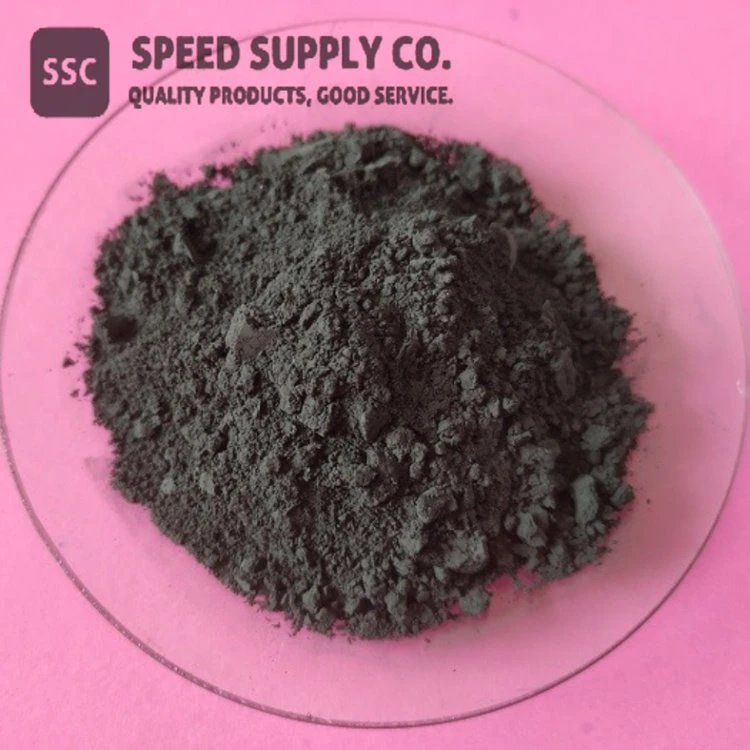
Niobium Carbide
Niobium carbide (NbC) is a refractory ceramic material that exhibits exceptional hardness, high melting point, and excellent wear resistance. It is an interstitial compound that combines niobium (Nb) and carbon (C) atoms in a 1:1 ratio, and it can be produced in various forms, including powders, coatings, and sputtering targets.
Features
Niobium carbide (NbC) is a refractory ceramic material that exhibits exceptional hardness, high melting point, and excellent wear resistance. It is an interstitial compound that combines niobium (Nb) and carbon (C) atoms in a 1:1 ratio, and it can be produced in various forms, including powders, coatings, and sputtering targets.
Features:
●High hardness and wear resistance
●High melting point (3500°C)
●High thermal conductivity
●Good chemical stability
●Low coefficient of thermal expansion
Grades:
Niobium carbide is available in various grades based on the purity of the material, with higher purity grades exhibiting better performance in high-temperature and corrosive environments.
Forms:
Niobium carbide is available in various forms, including:
●Powder: Fine powders with particle sizes ranging from microns to sub-micron sizes.
●Coatings: NbC coatings can be deposited on a variety of substrates using physical vapor deposition (PVD) or chemical vapor deposition (CVD) techniques.
●Sputtering targets: High-purity NbC sputtering targets are used in thin film deposition applications.
Production Method:
Niobium carbide is typically produced by reacting niobium oxide (Nb2O5) or niobium metal (Nb) with carbon sources such as graphite or carbon black at high temperatures. The resulting product is then purified using various techniques such as acid leaching or chemical vapor deposition.
Applications & Related Industries:
Niobium carbide has a wide range of applications across various industries, including:
●Cutting tools: Due to its high hardness and wear resistance, NbC is used as an additive in cutting tools to increase their performance and lifespan.
●Aerospace: NbC coatings are used on turbine blades and other high-temperature components in aerospace applications to improve their durability and corrosion resistance.
●Electronics: NbC sputtering targets are used in thin film deposition processes to produce high-quality electronic and optical coatings.
●Energy: NbC is used as a catalyst in various chemical processes, including hydrocarbon reforming and biomass conversion.
●Medical: NbC coatings are used on medical implants to improve their wear resistance and biocompatibility.
Health & Safety Information:
Niobium carbide is generally considered safe to handle and use, but like any fine particulate material, it should be handled with care to avoid inhalation or ingestion. Protective equipment such as gloves and masks should be worn when handling NbC powders.
Our Advantages:
●High-purity NbC materials for superior performance in high-temperature and corrosive environments
●Customized NbC powders and coatings tailored to specific applications and requirements
●Extensive expertise in niobium materials and their applications
FAQs:
Q: What is the melting point of niobium carbide?
A: Niobium carbide has a very high melting point of 3500°C, making it suitable for high-temperature applications.
Q: What is the typical particle size of NbC powders?
A: NbC powders are available in various particle sizes ranging from microns to sub-micron sizes, depending on the specific application requirements.
Q: Can NbC coatings be deposited on different types of substrates?
A: Yes, NbC coatings can be deposited on a variety of substrates such as metals, ceramics, and polymers using different deposition techniques.
Q: Is niobium carbide toxic or hazardous?
A: Niobium carbide is generally considered safe to handle and use, but proper handling and protective equipment should be used to avoid inhalation or ingestion of fine powders.
Hot Tags: niobium carbide, China, suppliers, buy, for sale, made in China
You Might Also Like


Send Inquiry
