

PRODUCTS
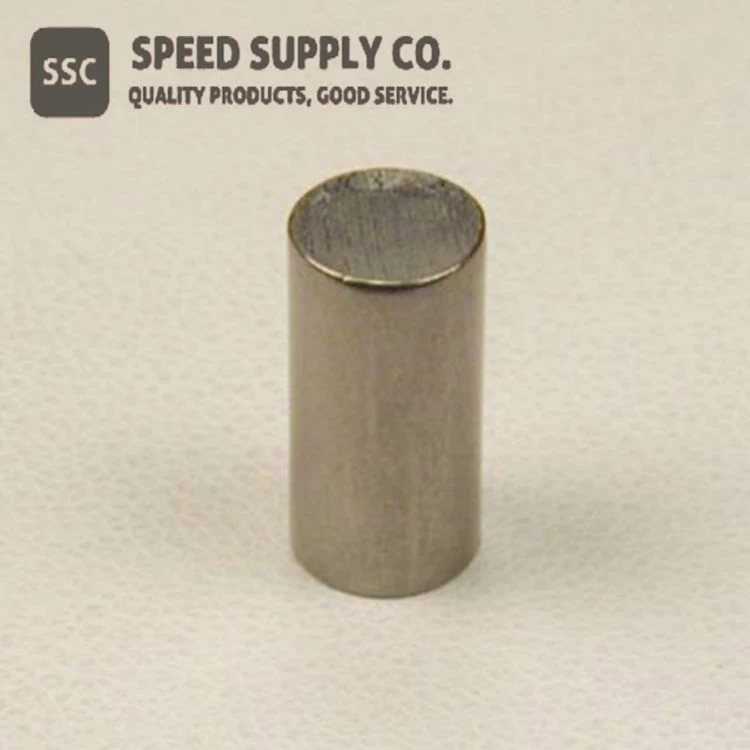
Niobium Metal
Niobium metal, also known as columbium, is a silver-gray, ductile, and highly reactive transition metal. It is chemically similar to tantalum and has a high melting point and good thermal and electrical conductivity. Niobium is commonly alloyed with other metals to improve their strength and corrosion resistance.
Features
Niobium, also called columbium, is a transition metal that is silver-gray, flexible, and very reactive. Tantalum has a high melting point and good thermal and electrical conductivity. Niobium is mixed with other metals to make it stronger and resist corrosion.
Features:
●High melting point of 2,468°C
●Good thermal and electrical conductivity
●Ductile and malleable
●Highly reactive with oxygen and other elements
●Low toxicity
Grades:
Niobium metal is available in various grades, including:
●Reactor grade: used in nuclear reactors and other high-temperature applications
●Commercial grade: used in various industrial applications, including superalloys and electronic components
●High-purity grade: used in advanced electronics and superconductors
Forms:
Niobium metal is available in various forms, including:
Powder
●Particle size: -325 mesh to 5 microns
●Purity: 99.9% to 99.999%
Lumps
●Size: 25.4mm to 152.4mm (1 inch to 6 inches)
●Purity: 99.9% to 99.999%
Sheets
●Thickness: 0.1 mm to 1.0 mm (0.004 inches to 0.04 inches)
●Width: Up to 600 mm (23.6 inches)
●Length: Up to 1500 mm (59.1 inches)
●Purity: 99.9% to 99.999%
Foils
●Thickness: 0.0025 - 0.0254 mm (0.0001 - 0.001 inch)
●Width: up to 300 mm (12 inch)
●Length: up to 1,000 meters (3,280 ft)
Plates
●Thickness: 1 mm to 50 mm (0.04 inches to 1.97 inches)
●Width: Up to 1000 mm (39.4 inches)
●Length: Up to 2000 mm (78.7 inches)
●Purity: 99.9% to 99.999%
Rods
●Diameter: 1 mm to 100 mm (0.04 inches to 3.94 inches)
●Length: Up to 2000 mm (78.7 inches)
●Purity: 99.9% to 99.999%
Wires
●Diameter: 0.05 mm to 6.0 mm (0.002 inches to 0.24 inches)
●Length: Customizable
●Purity: 99.9% to 99.999%
Foils
●Thickness: 0.01 mm to 0.1 mm (0.0004 inches to 0.004 inches)
●Width: Up to 200 mm (7.87 inches)
●Length: Customizable
●Purity: 99.9% to 99.999%
Production Method:
Niobium metal is usually made by reducing niobium oxide or by electrolysis of a salt with niobium oxide.
Applications & Related Industries:
Niobium metal is used in various industries, including:
●Aerospace and defense: jet engines, rocket boosters, and missile components
●Electronics: capacitors, superconductors, and other electronic components
●Energy: nuclear reactor components and superalloys used in gas turbine engines
●Medical: implants and medical instruments
●Automotive: exhaust systems and other engine components
●Jewelry: high-end jewelry due to its hypoallergenic properties and attractive appearance
Health & Safety Information:
Niobium metal is considered to be low-toxicity and is generally safe to handle. However, dust or fumes from grinding, welding, or cutting niobium metal can cause irritation to the eyes, skin, and respiratory tract. Protective equipment such as gloves, goggles, and respiratory masks should be worn when working with niobium metal.
Our Advantages:
●High-quality niobium metal produced using the latest technology and methods
●Customized forms and sizes available to meet specific customer needs
●Competitive pricing and fast delivery times
●Excellent customer service and technical support
FAQs:
Q: What is the melting point of niobium metal?
A: Niobium has a melting point of 2,468°C.
Q: Can niobium metal react with other metals?
A: Yes, niobium metal is highly reactive with oxygen and other elements.
Q: Is niobium a toxic metal?
A: Niobium metal is safe to handle because it is not very harmful. But when you grind, weld, or cut niobium metal, the dust or fumes can hurt your eyes, skin, and breathing.
Q: What industries use nickel?
A: Niobium metal is used in many industries, including aerospace and defense, electronics, energy, medical, automotive, and jewelry.
Hot Tags: niobium metal, China, suppliers, buy, for sale, made in China
You Might Also Like


Send Inquiry
