

PRODUCTS
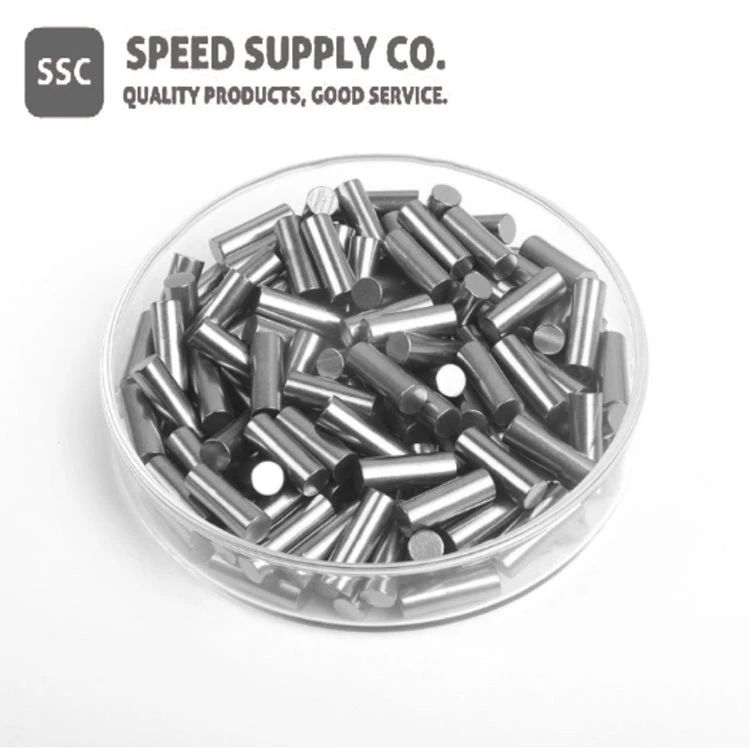
Tungsten Alloys
Tungsten alloys are advanced materials that offer exceptional strength, durability, and high density. These alloys are composed of tungsten as the primary constituent along with other elements such as nickel, copper, iron, or molybdenum. The addition of these elements imparts unique properties to the alloys, making them suitable for a wide range of applications across various industries.
Features
Description:
Tungsten alloys are advanced materials that offer exceptional strength, durability, and high density. These alloys are composed of tungsten as the primary constituent along with other elements such as nickel, copper, iron, or molybdenum. The addition of these elements imparts unique properties to the alloys, making them suitable for a wide range of applications across various industries. Tungsten alloys are known for their excellent mechanical and thermal properties, making them ideal for demanding environments where strength, heat resistance, and precision are crucial.
Features:
● High Density: Tungsten alloys have one of the highest densities among all metals, providing excellent weight-to-volume ratio. This high density makes them ideal for applications requiring counterbalancing, vibration damping, or radiation shielding.
● Exceptional Strength: Tungsten alloys exhibit remarkable tensile strength and hardness, enabling them to withstand heavy loads, high pressures, and extreme temperatures. They are highly resistant to deformation and have excellent wear resistance.
● Superior Heat Resistance: Tungsten alloys have a high melting point, making them suitable for applications involving elevated temperatures. They retain their mechanical properties even at extreme heat, ensuring reliable performance in high-temperature environments.
● Excellent Machinability: Tungsten alloys can be machined and formed into complex shapes with relative ease. They exhibit good workability, allowing for precise manufacturing and customization according to specific requirements.
● Corrosion Resistance: Tungsten alloys possess excellent corrosion resistance, making them suitable for applications in aggressive and corrosive environments.
Grades:
Tungsten alloys are available in various grades, each offering unique characteristics for specific applications. Common grades include:
● High-Density Tungsten Alloys: These alloys, such as HD17, HD17BB, and HD18, have exceptionally high density, making them ideal for applications in aerospace, automotive, and radiation shielding.
● Copper-Tungsten Alloys: Copper-tungsten alloys, such as WCu10 and WCu20, combine the high heat resistance of tungsten with the excellent electrical and thermal conductivity of copper. These alloys are commonly used in electrical contacts, EDM electrodes, and heat sinks.
● Nickel-Iron Tungsten Alloys: Nickel-iron tungsten alloys, such as NiFeW, offer a balance between high strength, good ductility, and controlled expansion properties. They find applications in aerospace, defense, and electronics industries.
● Molybdenum-Tungsten Alloys: Molybdenum-tungsten alloys, such as MoW50 and MoW30, combine the high-temperature strength of molybdenum with the excellent creep resistance of tungsten. These alloys are used in aerospace, defense, and furnace components.
Forms:
Tungsten alloys are available in various forms to cater to different application requirements:
Rods and Bars: Tungsten alloy rods and bars are commonly used for applications such as counterweights, balancing weights, and radiation shielding.
● Diameter: Available in various diameters, such as 1.0mm (0.04"), 3.0mm (0.12"), 6.0mm (0.24"), 10.0mm (0.39"), and others.
● Length: Typically supplied in standard lengths, such as 100mm (4"), 300mm (12"), 500mm (20"), or can be customized as per customer requirements.
● Density: Tungsten alloys exhibit high density, ranging from approximately 16.5-19.0 g/cm³, depending on the specific composition.
● Composition: The composition of tungsten alloys can vary based on the desired properties. Common alloying elements include nickel, copper, iron, or molybdenum, with tungsten content usually above 90%.
Sheets and Plates: Tungsten alloy sheets and plates find applications in aerospace, defense, and medical industries where high-density components, heat sinks, or radiation shielding are required.
● Thickness: Tungsten alloy sheets and plates are available in various thicknesses, such as 1.0mm (0.04"), 3.0mm (0.12"), 6.0mm (0.24"), and others.
● Dimensions: Standard dimensions for sheets and plates include widths of 100mm (4"), 300mm (12"), 500mm (20"), and lengths of 100mm (4"), 300mm (12"), 500mm (20") or can be customized.
● Density: Tungsten alloy sheets and plates possess high density, typically ranging from approximately 16.5-19.0 g/cm³.
● Composition: The composition of tungsten alloys for sheets and plates is similar to rods and bars, with tungsten content usually above 90%.
Wires: Tungsten alloy wires are used in electrical discharge machining (EDM), welding, and electrical contacts.
● Diameter: Tungsten alloy wires are available in various diameters, such as 0.2mm (0.008"), 0.5mm (0.020"), 1.0mm (0.04"), and others.
● Length: Supplied in spools or cut-to-length options, depending on the application.
● Density: Tungsten alloy wires exhibit high density, typically ranging from approximately 16.5-19.0 g/cm³.
● Composition: The composition of tungsten alloy wires is similar to rods and bars, with tungsten content usually above 90%.
Custom Components: Tungsten alloys can be machined and fabricated into custom components, including crucibles, sputtering targets, and various precision parts.
● Specifications: Custom components fabricated from tungsten alloys can be tailored to meet specific requirements, including dimensions, shapes, and compositions.
● Density: Custom components will exhibit high density, similar to other forms of tungsten alloys.
● Composition: The composition of custom components can be varied based on the desired properties and application-specific needs.
Production Method:
The production of tungsten alloys typically involves the following steps:
● Powder Production: Tungsten metal is extracted from its ore and processed to obtain tungsten powder. The powder is then mixed with powdered alloying elements such as nickel, copper, iron, or molybdenum.
● Blending and Compacting: The tungsten powder and alloying elements are thoroughly blended to ensure a homogeneous mixture. The blended powder is then compacted under high pressure to form green compacts or preforms.
● Sintering: The green compacts undergo a sintering process, where they are heated to a high temperature in a controlled atmosphere. During sintering, the powders bond together, resulting in a solid and dense tungsten alloy.
● Forming and Machining: The sintered tungsten alloy undergoes further forming processes such as rolling, extrusion, or forging to achieve the desired shape and dimensions. The formed components are then machined to achieve the final specifications and surface finish.
● Heat Treatment: In some cases, tungsten alloys undergo heat treatment processes to improve their mechanical properties, such as hardness and strength. This involves controlled heating and cooling cycles to achieve the desired material characteristics.
● Quality Control: Throughout the production process, stringent quality control measures are implemented to ensure that the tungsten alloys meet the specified standards and exhibit the desired properties. This includes dimensional checks, mechanical testing, and material analysis.
Applications & Related Industries:
Tungsten alloys find applications in various industries and sectors, including:
● Aerospace and Defense: Tungsten alloys are used in aerospace components, such as balance weights, ballast, and vibration damping systems. They also find applications in defense industries for projectiles, armor-piercing ammunition, and radiation shielding.
● Medical and Radiation Therapy: Tungsten alloys are utilized in medical devices, including X-ray collimators, radiation shielding, and radioactive source containers. Their high-density properties make them effective for radiation attenuation.
● Automotive: Tungsten alloys are used in automotive applications such as crankshaft balancing weights, piston pins, and heavy-duty electrical contacts.
● Electronics: Tungsten alloys find applications in the electronics industry, including lead frames, heat sinks, and high-voltage contacts. They are also used in electrical discharge machining (EDM) electrodes.
● Oil and Gas: Tungsten alloys are employed in oil drilling tools, such as drill collars, stabilizers, and heavy-duty bearings, due to their high strength and wear resistance.
● Industrial Equipment: Tungsten alloys are used in various industrial equipment and machinery, including die casting molds, furnace components, and high-temperature electrodes.
● Sports and Recreation: Tungsten alloys are utilized in sporting goods such as golf club heads, darts, fishing weights, and balance weights in sports equipment.
Health & Safety Information:
While tungsten alloys are generally considered safe to handle, certain precautions should be taken:
● Dust and Fume Inhalation: During machining or processing, tungsten alloys can generate fine dust or fumes. It is essential to use appropriate ventilation and respiratory protection to minimize exposure.
● Sharp Edges: Tungsten alloy components may have sharp edges after machining. Proper handling and protective equipment should be used to prevent injuries.
● Recycling and Disposal: Tungsten alloys can be recycled, and proper recycling procedures should be followed. Disposal of scrap or waste material should comply with local regulations.
● Safety Data Sheets (SDS): SSC provides comprehensive SDS that outline the potential hazards, handling instructions, and emergency procedures related to tungsten alloys. It is important to review and follow these guidelines.
Our Advantages:
● Expertise and Experience: With years of experience in producing tungsten alloys, we have developed a deep understanding of the material and its applications. Our team of experts is well-versed in the production process and can provide valuable insights and technical support to our customers.
● Customization Capability: We understand that each customer may have unique requirements for their tungsten alloy components. With our advanced manufacturing capabilities, we can customize the alloy composition, dimensions, and shapes to meet specific design and performance specifications.
● Quality Assurance: We have implemented stringent quality control measures throughout the production process to ensure that our tungsten alloys meet the highest standards. We perform thorough inspections, material testing, and analysis to guarantee the reliability, consistency, and performance of our products.
● Timely Delivery: We recognize the importance of meeting deadlines and minimizing production downtime for our customers. With efficient production processes and a well-managed supply chain, we strive to deliver our tungsten alloy products within the agreed-upon timeframe.
● Customer Satisfaction: We prioritize customer satisfaction and aim to build long-term partnerships based on trust and excellent service. Our dedicated customer support team is readily available to address inquiries, provide technical guidance, and offer after-sales support to ensure a smooth and satisfactory experience.
● Competitive Pricing: We offer competitive pricing for our tungsten alloy products without compromising on quality. By optimizing our manufacturing processes and leveraging our industry expertise, we strive to provide cost-effective solutions that meet our customers' budgetary requirements.
FAQs:
Q: What are the advantages of tungsten alloys compared to other metals?
A: Tungsten alloys offer superior strength, high density, excellent heat resistance, and good corrosion resistance. They outperform many other metals in applications that require durability, precision, and resistance to extreme conditions.
Q: Can tungsten alloys be machined and formed into complex shapes?
A: Yes, tungsten alloys can be machined and formed using standard metalworking techniques. Their excellent workability allows for the production of intricate components and customized shapes.
Q: What is the typical lead time for tungsten alloy products?
A: The lead time can vary depending on the specific requirements and quantities. We strive to provide prompt delivery and work closely with our customers to meet their project timelines.
Q: Are tungsten alloys recyclable?
A: Yes, tungsten alloys are highly recyclable. The materials can be reclaimed and reused, reducing waste and promoting sustainability.
Q: Are there any special considerations for handling tungsten alloy components?
A: While tungsten alloys are generally safe to handle, precautions should be taken to avoid inhalation of dust or fumes during machining. Additionally, sharp edges should be handled with care to prevent injuries.
Q: Can tungsten alloys be used in high-temperature applications?
A: Yes, tungsten alloys exhibit excellent heat resistance and can withstand high temperatures. They are commonly used in aerospace, automotive, and industrial applications that involve elevated temperatures.
Please feel free to reach out to our knowledgeable team for any further inquiries or specific requirements. We are here to assist you in finding the best tungsten alloy solutions for your applications.
Hot Tags: tungsten alloys, China, suppliers, buy, for sale, made in China
You Might Also Like


Send Inquiry
