

PRODUCTS
Features
Linear Formula: | W-Ni-Cu, W-Ni-Fe |
Material: | W-90% Ni-6% Cu-4%, W-92.5% Ni-4.5% Cu-3%, W-95% Ni-3.5% Cu-1.5% W-90% Ni-7% Fe-3%, W-92.5% Ni-5.25% Fe-2.25%, W-95% Ni-3.5% Fe-1.5%, W-97% Ni-2.1% Fe-0.9% |
Standard: | ASTM B777, MIL-T-21014 |
Surface: | Finish turning, Milling, Grinding |
Size: | Customize |
Tungsten Alloy Crankshaft Weight Description
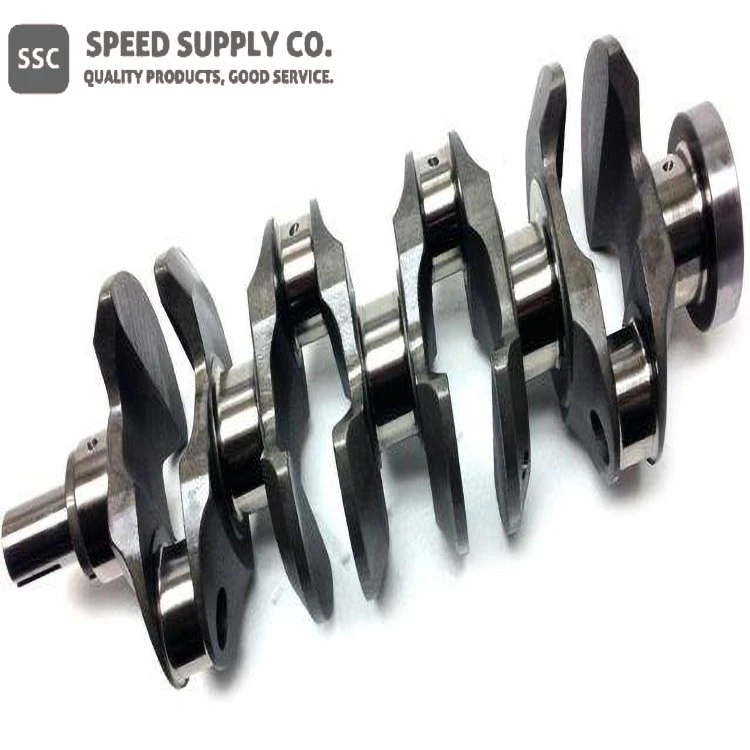
Tungsten alloy crankshaft weight, also known as tungsten alloy crankshaft balancing, is made from our tungsten heavy alloys. Crankshaft balancing is important to high-performance engines in race cars, aircraft, and others. High-density tungsten is perfect for crankshaft balancing with limited size and space.
All engines need perfectly balanced crankshafts to ensure optimised performance. If a crankshaft is not correctly balanced the consequences can be severe. These include reduced lifetime, excessive vibration and a loss of power from the engine. This is even more important in high performance engines and high power diesel units. Stresses caused by imbalance in these engines can cause early failure.
The high density of tungsten alloy means it can be used to produce compact, highly durable tungsten alloy crankshaft weights for use in crankshaft balancing. Tungsten alloy crankshaft weights can be placed in the precise location where they are needed to provide optimum performance. Tungsten alloy crankshaft weights are smaller than equivalent steel weights which means external balancing may not be needed in engines where internal space is limited.
Tungsten Alloy Crankshaft Weight Applications and Related Industries
● Automobile
● Aircraft
You Might Also Like


Send Inquiry
