

PRODUCTS
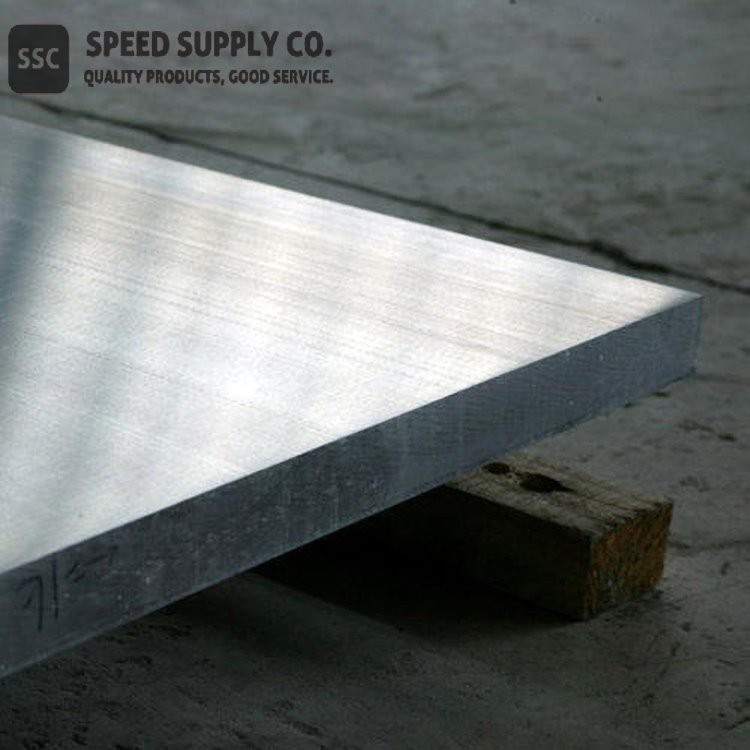
Magnesium Alloys
Grade: AZ31, AZ61, AZ80, AZ91, ZK60, HK31, HM21, ZE41, ZC71, ZM21, AM40, etc.
Features
Grade: | AZ31, AZ61, AZ80, AZ91, ZK60, HK31, HM21, ZE41, ZC71, ZM21, AM40, etc. |
Appearance: | Silvery metallic solid in various forms |
Form: | Ingot, Bar, Casting, Extrusions, Fitting, Flange, Foil, Forging, Pipe, Plate, Profiles, Rod, Sheet, Strip, Tube, Wire, etc. |
Size: | Per requirements |
Magnesium Alloys Description
Learn about magnesium alloys, which are very light but very strong and can resist corrosion. We make magnesium alloys and have many different products that meet the needs of different industries. In this detailed description of a product, we explain many things about magnesium alloys, including how they work and what they can be used for.
Properties of Magnesium Alloys
Magnesium alloys are a symbol of metallurgical ingenuity. They combine strength, durability, and resistance to corrosion. Some of the key properties are as follows:
Magnesium alloys have a high strength-to-weight ratio, which makes them useful in weight-sensitive applications.
Magnesium alloys are resistant to corrosion and offer a long-lasting protection against the harmful effects of environmental factors.
Magnesium alloys are very strong and light, so they can keep their structure strong without affecting how well they work.
Types of Magnesium Alloys
There are two main types of magnesium alloys: cast alloy and wrought alloy. To make it easier to understand alloy compositions, systems have been made, like the ASTM Standard Alloy Designation System. This system is made up of four parts.
First part: designates the two main alloying elements (A = aluminium, Z = zinc, M = manganese, S = silicon).
Second part: designates the percentage amount of the main alloying elements. For example, alloy AZ81 is magnesium alloy with roughly 8% of aluminium and 1% of zinc.
Third part: differentiates alloys having the same amounts of the main alloying elements.
Fourth part: designates the condition of the alloy
Principal Alloying Elements and Designations
Principal Alloying Element | ASTM Designation |
Manganese | M |
Aluminium-Manganese | AM |
Aluminium-Zinc-Manganese | AZ |
Zirconium | K |
Zinc-Zirconium | ZK |
Zinc-Zirconium-Rare Earth Metal | ZE |
Rare Earth Metal-Zirconium | EZ |
Zinc-Copper-Manganese | ZC |
Aluminium-Silicon-Manganese | AS |
Condition Codes for Magnesium Alloys
● F, as fabricated
● O, annealed
● H, strain hardened (wrought products only); Subdivisions of H temper are listed below.
● H1, plus one or more digits, strain hardened only
● H2, plus one or more digits, strain hardened and partially annealed
● H3, plus one or more digits, strain hardened and then stabilized
● W, solution heat treated, unstable temper, only for alloys that spontaneously age at room temperature
● T, Thermally treated to produce stable tempers (other than O,H, and F) Subdivisions of T temper are listed below.
● T1, cooled and naturally aged
● T3, solution heat treated and cold worked
● T4, solution heat treated
● T5, cooled and artificially aged only
● T6, solution heat treated and artificially aged
● T7, solution heat treated and stabilized
● T8, solution heat treated, cold worked, and artificially aged
● T9, solution heat treated, artificially aged and cold worked
● T10, cooled, artificially aged, and cold worked
Magnesium Alloys Applications and Related Industries
Structural Applications:
Magnesium alloys are used as structural materials in the automotive, aerospace, industrial, and commercial sectors because they are light, strong, and easy to cast. Here are some examples.
Automotive: Support brackets for brakes and clutch, housing for transmission.
Aerospace: Wheels for landing helicopters, parts for helicopter rotors, and places for the gearboxes.
Industrial: Machines that operate at high speeds and textile machines.
Commercial: Bags, tools, computer cases, and ladders.
Electronic Applications:
Magnesium alloys are a good choice for packaging electronics, hard drive arms, and portable device cases because they are light, strong, and can handle heat better than plastic.
Medical Applications:
Portable medical equipment like wheelchairs, heart stents, and orthopedic devices use magnesium alloys because they are light, biocompatible, and can be absorbed by the body. This helps them work well and make patients feel comfortable.
Magnesium alloys can be used in a new era of efficiency and performance across diverse industrial landscapes. if you want the best in materials science, look no further than our unrivaled portfolio of magnesium alloys.
Hot Tags: magnesium alloys, China, suppliers, buy, for sale, made in China
No Information
You Might Also Like


Send Inquiry
