

PRODUCTS
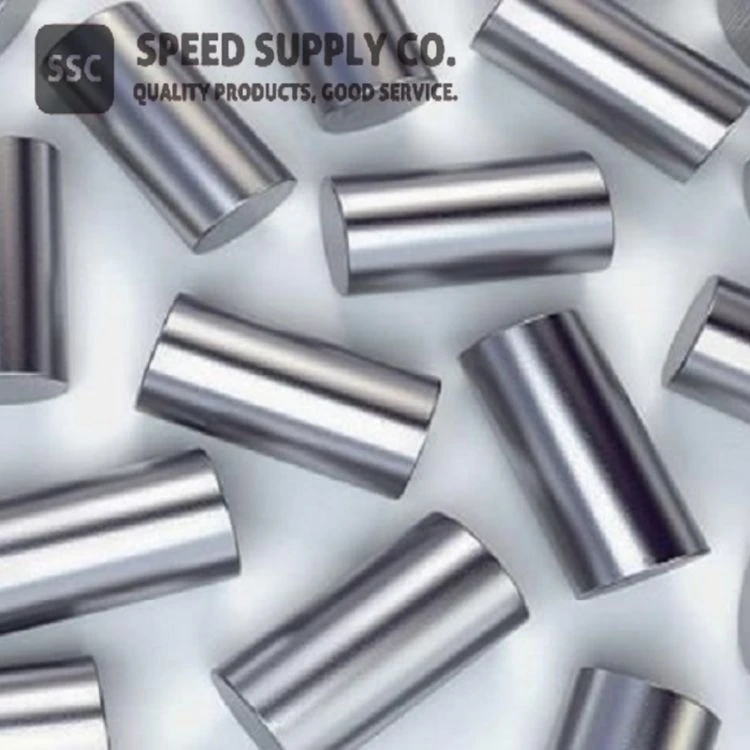
Rhenium Alloy
Rhenium alloys are a group of materials composed of rhenium and other metals, such as tungsten, molybdenum, and nickel. These alloys exhibit superior high-temperature properties, making them ideal for use in extreme environments, such as aerospace and military applications. Rhenium alloys offer excellent resistance to corrosion, oxidation, and wear, as well as high strength and durability.
Features
Rhenium alloys are a group of materials composed of rhenium and other metals, such as tungsten, molybdenum, and nickel. These alloys exhibit superior high-temperature properties, making them ideal for use in extreme environments, such as aerospace and military applications. Rhenium alloys offer excellent resistance to corrosion, oxidation, and wear, as well as high strength and durability.
Features:
●High melting point: Rhenium alloys have the highest melting point of any known metal alloy.
●Excellent high-temperature properties: These alloys exhibit exceptional strength and resistance to thermal stress and creep at high temperatures.
●Superior corrosion and oxidation resistance: Rhenium alloys are highly resistant to corrosion and oxidation, even in harsh environments.
●High ductility: These alloys are easily shaped and formed into various shapes and sizes.
●Good wear resistance: Rhenium alloys exhibit excellent wear resistance, making them suitable for use in abrasive environments.
Grades:
There are several grades of rhenium alloys, each with unique compositions and properties. Some common grades include:
●Rhenium-tungsten (Re-W) alloy
●Rhenium-molybdenum (Re-Mo) alloy
●Rhenium-nickel (Re-Ni) alloy
●Rhenium-iridium (Re-Ir) alloy
●Rhenium-Osmium (Re-Os) alloy
Forms:
Rhenium alloys are available in various forms, including:
Sheets:
●Thickness: 0.0254 - 0.635 mm (0.001 - 0.025 inch)
●Width: 152.4 - 304.8 mm (6 - 12 inch)
●Length: 304.8 - 609.6 mm (12 - 24 inch)
Plates:
●Thickness: 1.0 - 12.7 mm (0.04 - 0.5 inch)
●Width: 100 - 400 mm (4 - 16 inch)
●Length: 100 - 1000 mm (4 - 40 inch)
●Density: 19.3 g/cm3 (0.698 lb/in3)
Rods:
●Diameter: 1.6 - 25.4 mm (0.063 - 1.0 inch)
●Length: up to 3 meters (118 inch)
Wires:
●Diameter: 0.025 - 2.0 mm (0.001 - 0.08 inch)
●Length: up to 1,000 meters (3,280 ft)
●Density: 19.3 g/cm3 (0.698 lb/in3)
Foils:
●Thickness: 0.0025 - 0.0254 mm (0.0001 - 0.001 inch)
●Width: up to 300 mm (12 inch)
●Length: up to 1,000 meters (3,280 ft)
Sputtering targets:
●Diameter: 50.8 - 304.8 mm (2 - 12 inch)
●Thickness: 3.0 - 50.8 mm (0.12 - 2.0 inch)
Production Method:
Rhenium alloys are typically produced through a powder metallurgy process, which involves blending the metal powders and pressing them into the desired shape before sintering. This process results in a uniform and high-density material.
Applications & Related Industries:
Rhenium alloys find applications in various industries, including:
●Aerospace and defense: These alloys are used in high-temperature applications, such as rocket engines, gas turbine engines, and space vehicles.
●Electronics: Rhenium alloys are used in the manufacture of high-temperature thermocouples, electrical contacts, and filaments for electronic devices.
●Medical: Rhenium alloys are used in the production of medical equipment, such as X-ray targets and radioactive implants.
●Chemical processing: These alloys are used in the production of catalysts for chemical reactions, such as the synthesis of ammonia.
Health & Safety Information:
Rhenium alloys are generally safe to handle and use. However, some precautions should be taken during handling and processing to avoid inhalation of dust and exposure to fumes. Rhenium alloys are not considered toxic or hazardous, but proper personal protective equipment should be worn during handling and processing.
Rhenium is not considered toxic, but it should be handled with care due to its high density and sharp edges.
Our Advantages:
●High-quality products: We provide rhenium alloys of the highest quality and purity.
●Customized solutions: Our team of experts can work with you to develop custom solutions that meet your specific requirements.
●Fast and reliable delivery: We offer fast and reliable delivery of our products to ensure that you receive them when you need them.
●Competitive pricing: We offer competitive pricing for our high-quality rhenium alloys.
FAQs:
Q: What is the melting point of rhenium alloys?
A: Rhenium alloys have the highest melting point of any known metal alloy, ranging from 2,760°C to 3,320°C, depending on the specific alloy composition.
Q: Are rhenium alloys expensive?
A: Rhenium alloys are considered expensive due to the high cost of rhenium metal, which is a rare and expensive material.
Q: What are the benefits of using rhenium alloys?
A: Rhenium alloys offer superior high-temperature properties, such as strength, durability, and resistance to corrosion and oxidation.
Q: What are the most common applications for rhenium alloys?
A: Rhenium alloys are widely used in the aerospace, defense, and energy industries due to their high strength, resistance to corrosion and high temperatures, and other unique properties. Common applications include gas turbine engine components, rocket engine nozzles, electrical contacts, and radiation shields.
Q: What are the advantages of rhenium alloys over other metals?
A: Rhenium alloys have several advantages over other metals, including high melting points, excellent strength and ductility at high temperatures, and resistance to oxidation and corrosion. They are also highly resistant to wear and erosion, making them ideal for use in harsh environments.
Q: What is the production process for rhenium alloys?
A: Rhenium alloys are typically produced through powder metallurgy or vacuum casting. In the powder metallurgy process, rhenium powder is mixed with other metal powders and then consolidated through a combination of pressure and heat. Vacuum casting involves melting rhenium and other metals together in a vacuum furnace and then casting the alloy into a desired shape.
Q: What grades of rhenium alloys are available?
A: There are several grades of rhenium alloys available, each with its own unique properties and composition. Some common grades include Rhenium-Tungsten (Re-W), Rhenium-Molybdenum (Re-Mo), Rhenium-Iridium (Re-Ir), and Rhenium-Osmium (Re-Os).
Q: What forms do rhenium alloys come in?
A: Rhenium alloys are available in a variety of forms, including sheets, plates, rods, wires, foils, and powders.
Q: Are there any health and safety concerns associated with handling rhenium alloys?
A: Rhenium alloys are generally considered safe to handle, but precautions should be taken to avoid inhalation or ingestion of the metal or its dust. Rhenium alloys are also highly flammable and should be stored and handled carefully.
Q: What are the advantages of purchasing rhenium alloys from your company?
A: Our company offers high-quality rhenium alloys that are manufactured to meet the highest industry standards. We also provide exceptional customer service and support, and can work with you to develop customized alloys to meet your specific needs.
Hot Tags: rhenium alloy, China, suppliers, buy, for sale, made in China
You Might Also Like


Send Inquiry
